A crawl space dehumidifier is a unit built to run under the house, pulling water out of the air and sending it down a drain. You need one once your crawl space is closed, with the ground covered and the vents sealed, because the air down there still needs a way to dry. It is the part of the system that holds the humidity where you set it.
Why does a sealed crawl space need one?
Because code requires a closed crawl space to have a way to dry its air, and a dehumidifier is one of the four options it allows.
Section R408.3 of the 2021 IRC with South Carolina modifications lists continuous exhaust at 1 cfm per 50 sq ft, conditioned supply air at the same rate, a plenum in existing houses, or dehumidification sized to the manufacturer’s specifications. The dehumidifier option has been in the IRC since the 2018 edition.
A closed, dried crawl space behaves very differently from a vented one. In Advanced Energy’s field study in Princeville, North Carolina, the closed crawl spaces never reached condensation conditions, while the vented ones did again and again. The Department of Energy’s Building America program credits closed crawl spaces with 15–18% energy savings as well.
Will it work with the vents open?
Not well. In a vented crawl space a dehumidifier fights the outdoor air all summer, so we seal the crawl space first.
Upstate summer air carries a lot of water. The mean dew point at Greenville-Spartanburg is 67.6°F in July and 67.2°F in August, and a unit trying to dry that air as fast as the vents let it in will run hard and still fall behind. If your crawl space is still vented, full crawl space encapsulation comes first, and the dehumidifier is the last piece of it.
How do you size it?
To the manufacturer’s specifications, which is what the code asks for. Makers rate each unit for the crawl space it can handle, and we match the unit to your measured crawl space, not to the house’s listed square footage.
We don’t pick a unit until we have measured the humidity and the moisture in the wood. A crawl space with standing water needs that handled first, so see crawl space drainage and sump pumps if water collects under your house after rain.
Where does the water go?
Into a condensate drain, so nobody has to empty a bucket. The line runs to the outside, or into a sump pit if the crawl space has one.
If that drain clogs, the water ends up back on the liner, so the line is worth a look now and then.
Does it need a new circuit?
Sometimes. A new circuit is electrical work, which may need a permit and a licensed electrician.
Oconee County requires permits for alterations, including electrical and mechanical work, and the City of Seneca has its own building official. Ask the office that covers your address what applies before work starts. Budget for it too: This Old House lists permits at $100–$250.
What should it be set to?
Set it between 50% and 60% relative humidity. That is the common range for closed crawl spaces, and it keeps you under the EPA’s advice to stay below 60% indoors.
Our guide to crawl space humidity levels explains what the readings mean and how to check them yourself.
How we do it
- We measure the crawl space humidity and the moisture in the wood before we quote.
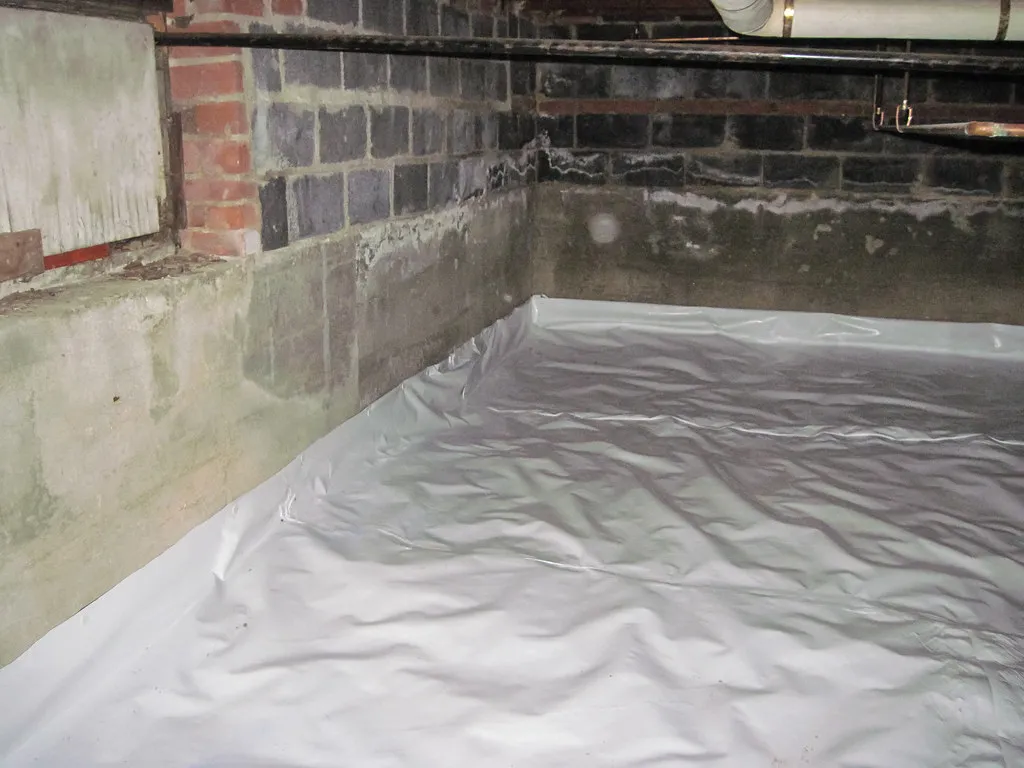
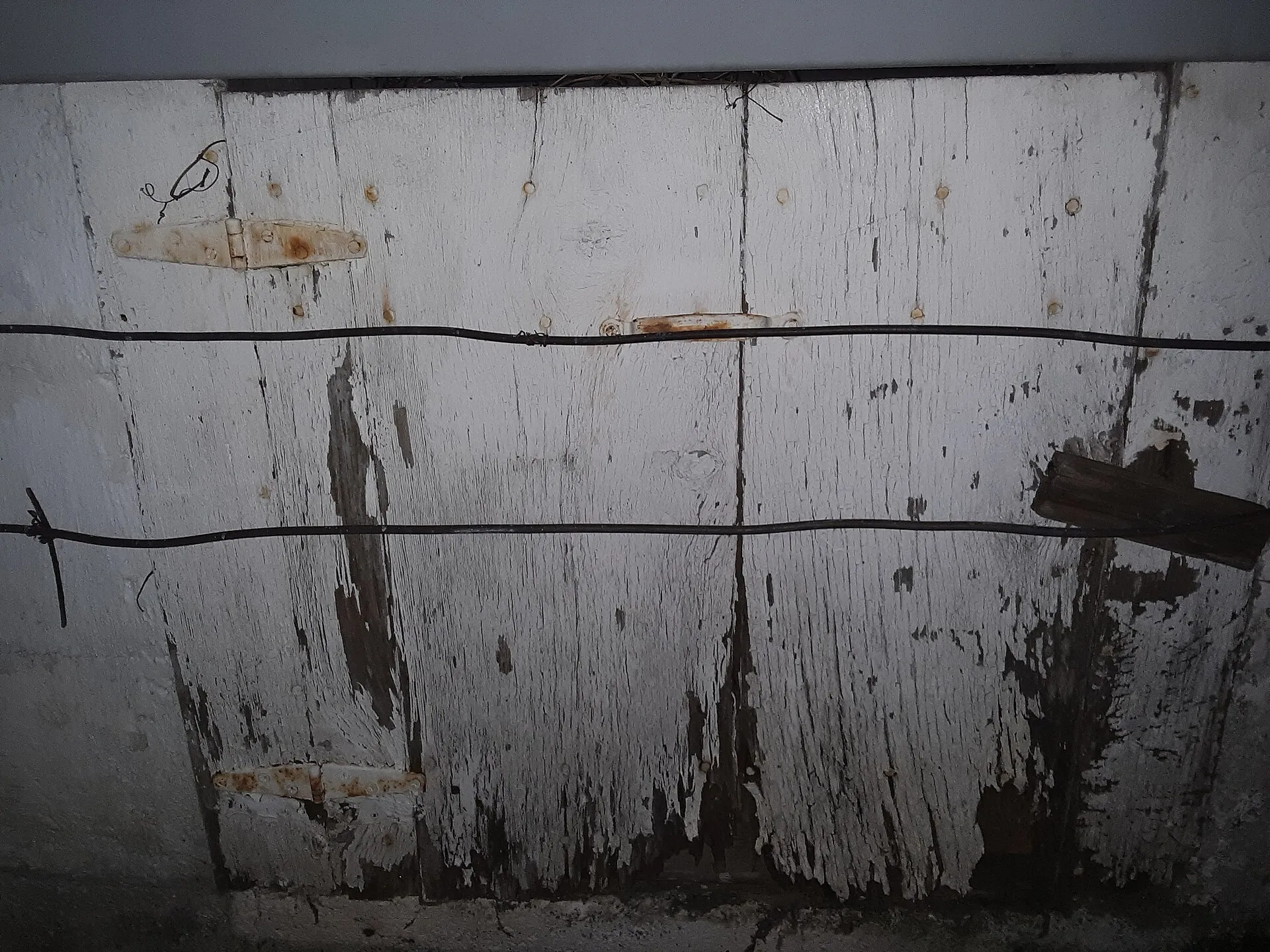
- We check the space is closed: liner down with taped seams, vents and access door sealed. If it isn’t, we quote that work along with the unit.
- We size the dehumidifier to the maker’s specifications for your crawl space.
- We set it in place, run the condensate drain and set the humidity target.
- We read the humidity again after the system has run a few weeks.
What affects the price?
The unit, the power supply and the drain run. Our ballpark is about $1,600 installed.
Published prices sit around that. This Old House lists a dehumidifier with wiring at $800–$2,000, and Fixr lists $750–$1,700. A larger crawl space needs a bigger unit. A new circuit adds an electrician and possibly a permit, and a long drain run adds material and time.
What upkeep does it need?
Mostly the filter. Clean or replace it on the schedule in the owner’s manual, and check that the drain line runs clear.
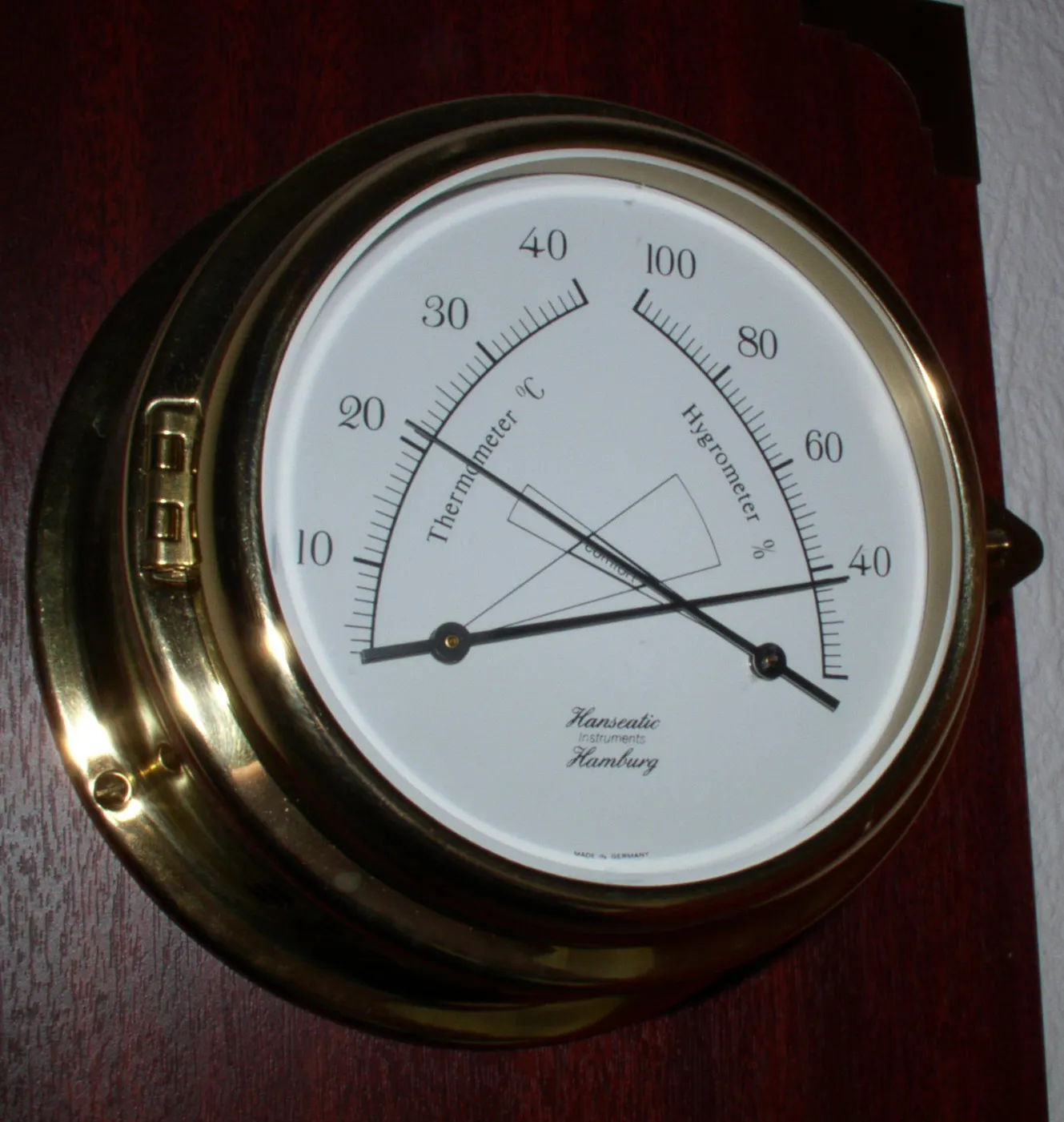
Keep a simple hygrometer in the crawl space, or read the unit’s display a few times a year. If the humidity climbs and stays up, look for a vent left open, a torn liner or a blocked drain.
We install crawl space dehumidifiers in Seneca, around Lake Keowee and across the Upstate. Run our crawl space estimator for a ballpark, or call us to come and measure your crawl space.