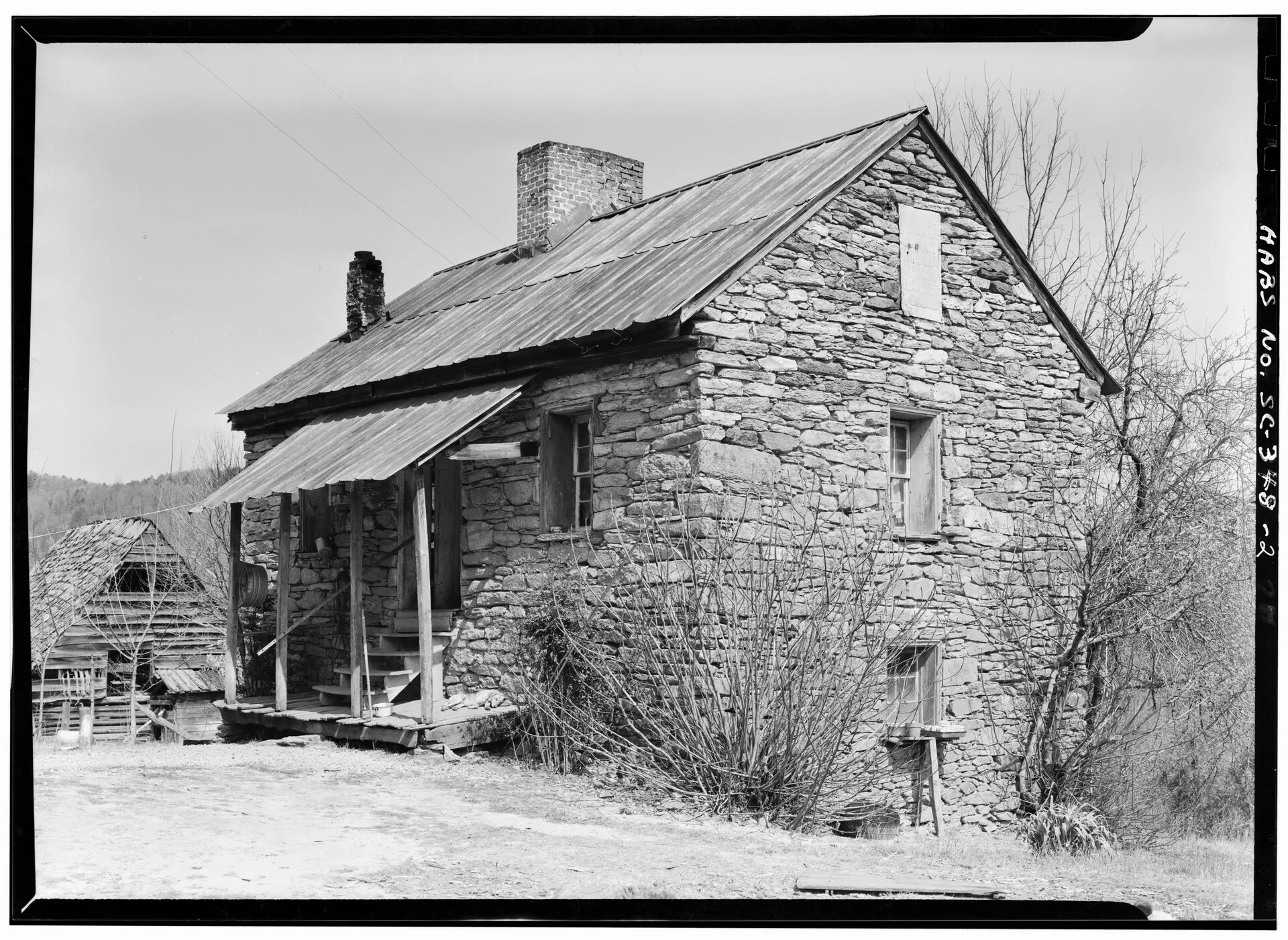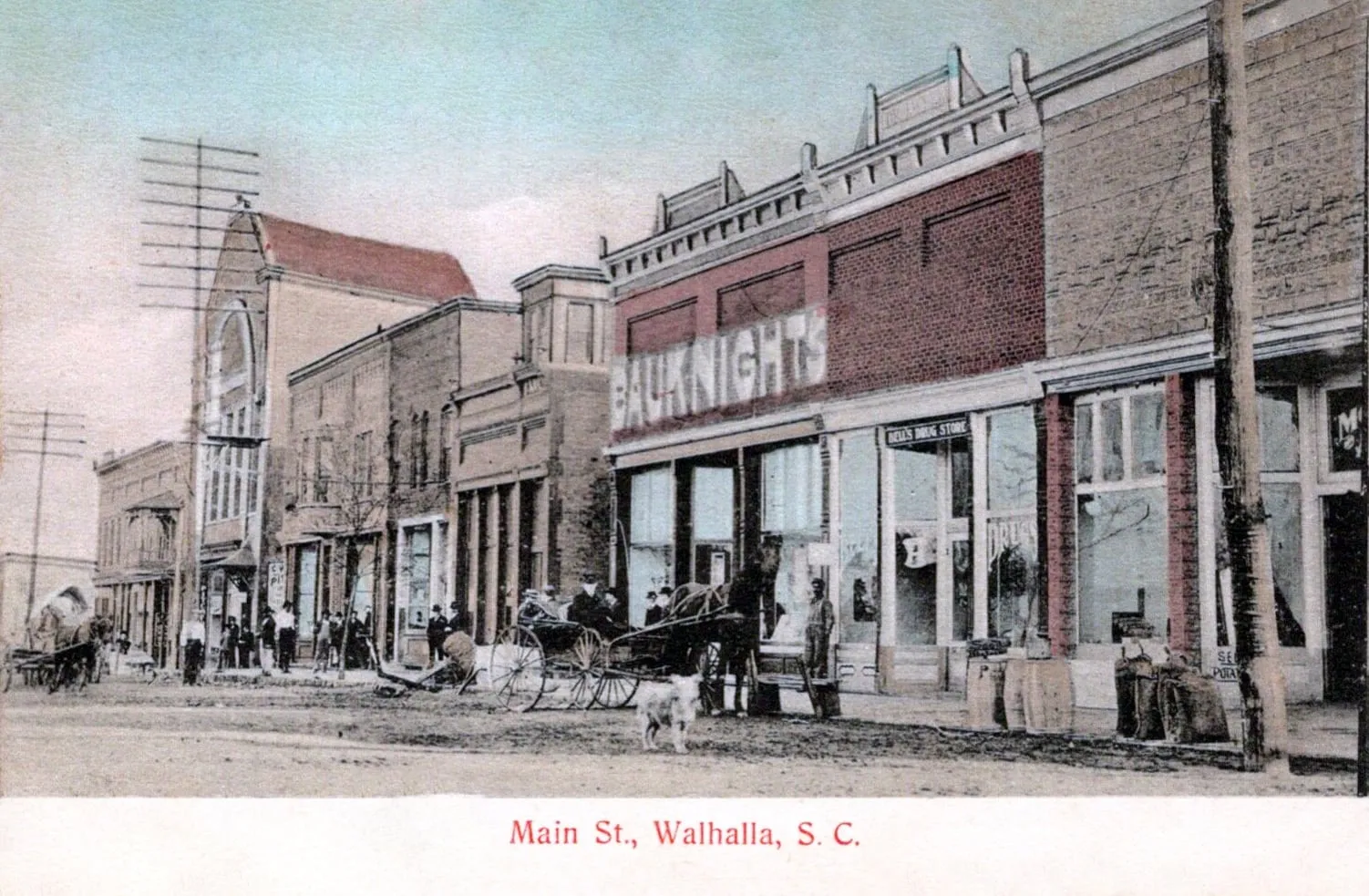
Walhalla was founded in 1850 by German settlers and is the Oconee County seat (town history). At 1,017 feet it sits up in the foothills, and its homes are some of the oldest around: the median was built in 1975, and 61.9% date from before 1980 (American Community Survey via Census Reporter). Its National Register sites, among them St. John’s Lutheran Church, the Stumphouse Tunnel Complex, and Oconee Station and the Richards House, show how long people have been building up here.
Why are older Walhalla homes damp?
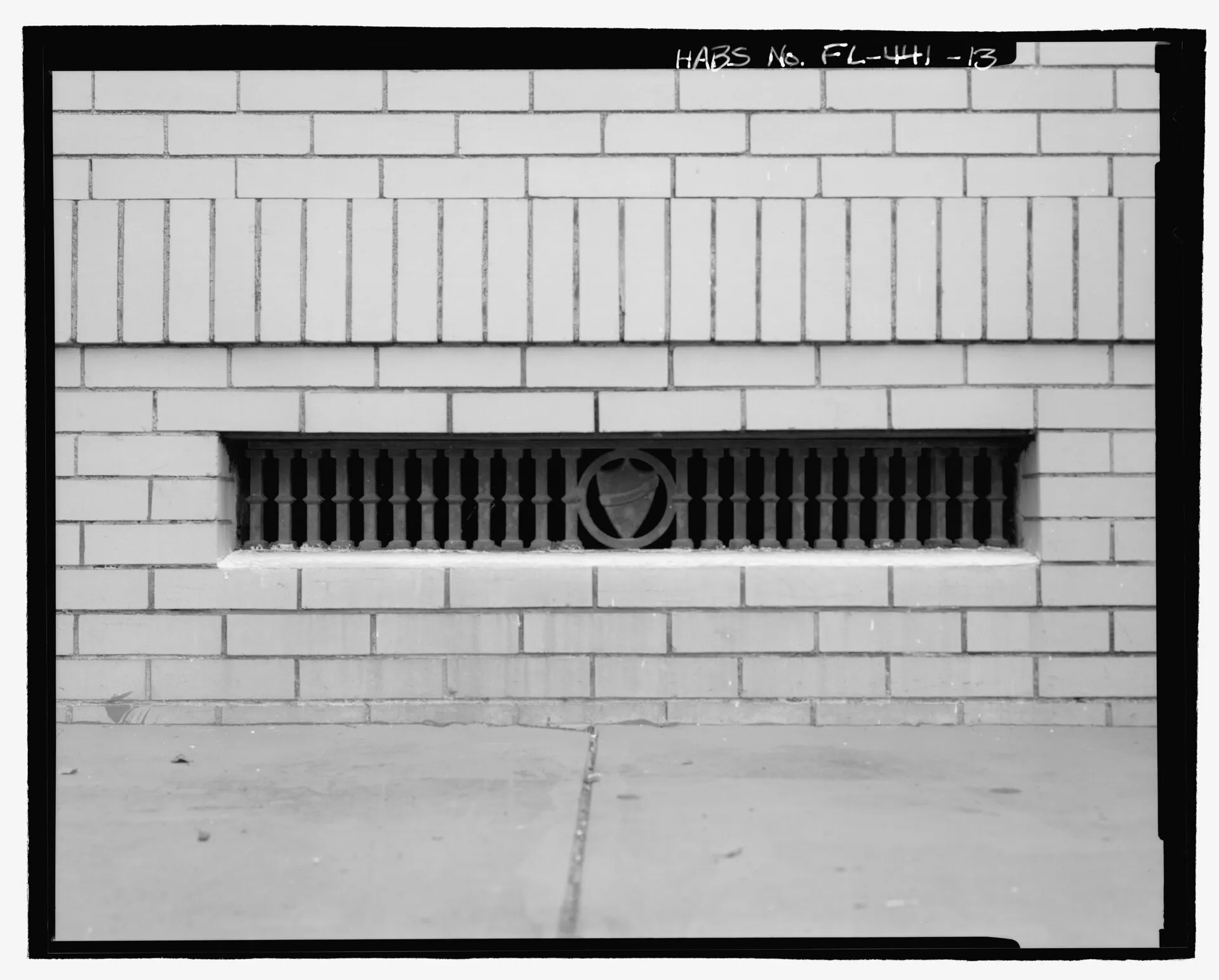
Because they were built to let outside air under the floor. Crawl spaces were far more common when much of Walhalla went up: 38% of new single-family homes in the South were built on one in 1971, against 8% in 2024 and 2025 (Census Survey of Construction). Older crawl spaces like these usually have block or brick walls with vents set into them.
Those vents work against you in summer. At Greenville-Spartanburg airport the mean July dew point is 67.6°F (NOAA 1991 to 2020 normals), and when that air meets crawl space soil and framing a few degrees cooler, its relative humidity climbs toward 100%.
Does foothills rain add to it?
Yes, because it keeps the ground around the foundation wetter. The SC State Climatology Office puts average yearly rainfall in the state’s Foothills at 60 to over 70 inches, while Clemson averages 52.38 inches under the same NOAA normals. Clay gives that water up slowly.
So deal with the water outside first. Clean the gutters, carry downspouts away from the walls, and shape the soil so it drops about 6 inches over the first 10 feet out from the house (ENERGY STAR closed crawl space guide).
What does an old crawl space need?
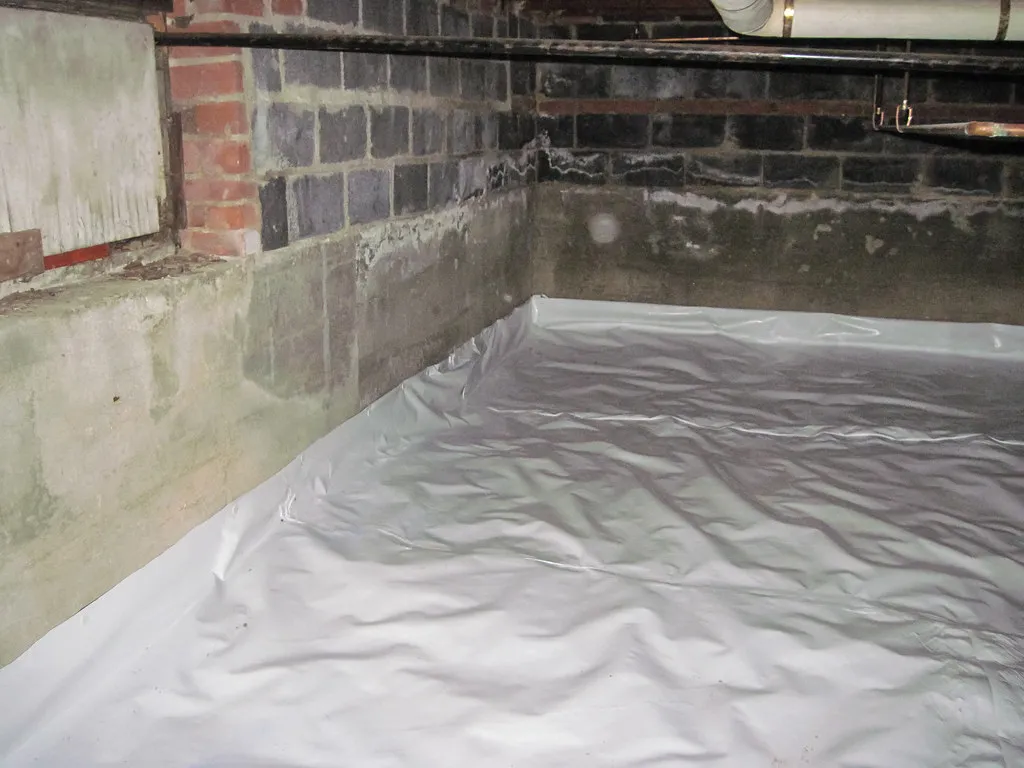
Usually more preparation than a newer one. We clear debris and pull down wet or fallen insulation, then check the framing; soft sills or joists get fixed through our crawl space repair work before anything is sealed. Next comes a 12 mil liner, overlapped and taped at the seams and fastened up the walls, with a termite inspection strip left open at the top. Then we seal the vents and the access door and install a dehumidifier with a condensate drain.
Our guide to whether crawl space vents should be open or closed explains why the vents get shut in our climate, and our vent sealing and insulation service covers that step on its own page.
Who issues permits in Walhalla?
Usually Oconee County, the county Walhalla is the seat of. The county requires permits for alterations, including electrical and mechanical work, and the new circuit a crawl space dehumidifier needs counts as electrical work. Before work starts, ask the county or city building office which rules apply at your address.
How much for an older Walhalla home?
For a 1,500 sq ft crawl space with a 12 mil liner and a dehumidifier, the ballpark is $6,650–$9,200; at 1,000 sq ft it’s $4,900–$6,800. Our rate is about $3.50 a square foot with a $2,500 minimum. Older houses can add line items, such as rotted wood to repair, so treat these numbers as a starting range and not a quote. We give the firm price after measuring humidity and wood moisture under your house.
To get a number for your Walhalla home, request an estimate or call us, and tell us roughly when the house was built.