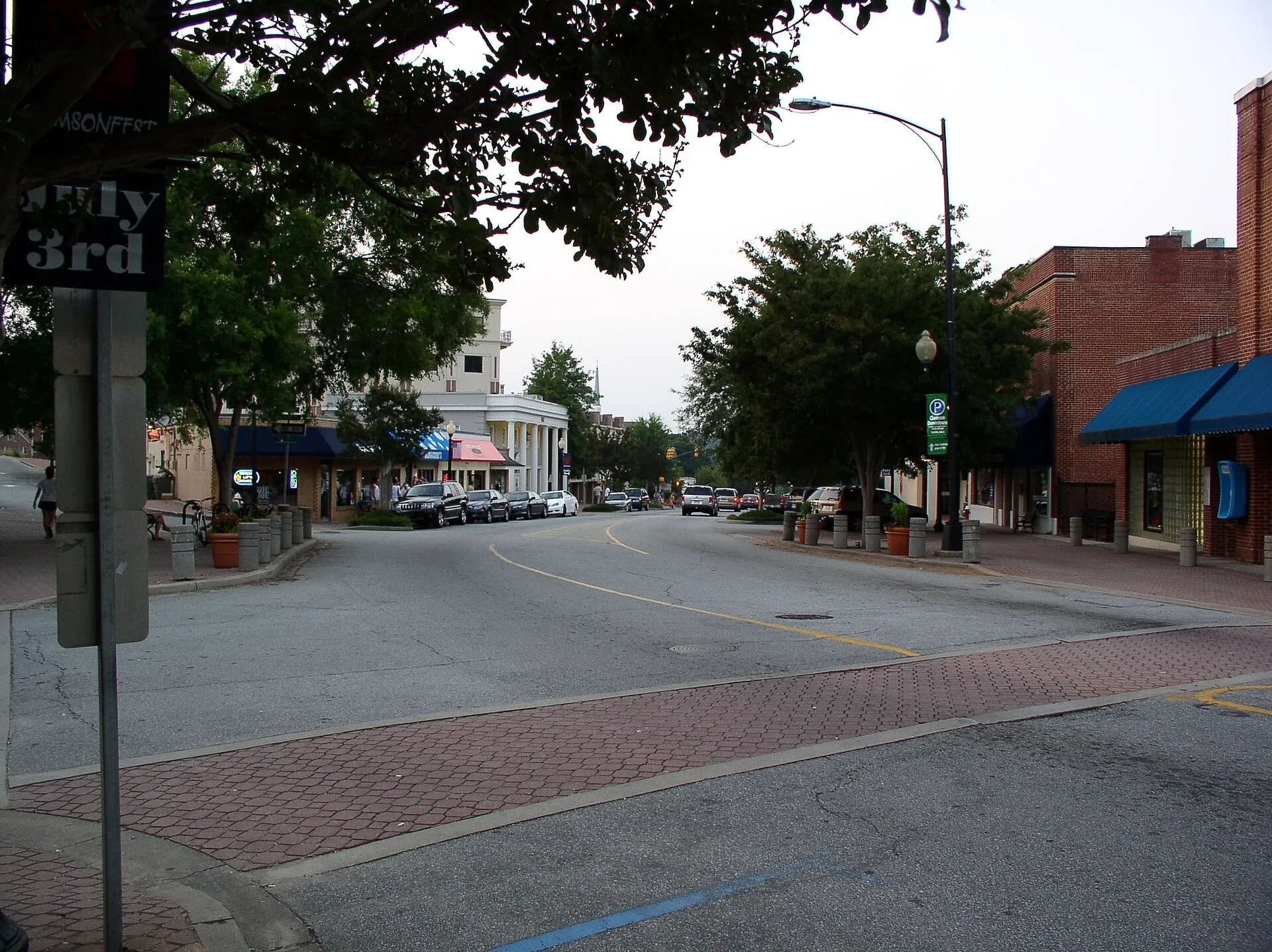
Clemson is a renters’ town. In the American Community Survey 2020 to 2024 estimates, 65.7% of Clemson homes are rented, against 48.6% in Seneca. Every one of those rentals has an owner who doesn’t live in it, and that changes who notices a wet crawl space, and how soon.
Why do rentals hide crawl space damage?
Because the person who would smell it first is rarely the person who owns the floor. A tenant notices a musty odor, a cupped board or a soft spot, and may mention it at move-out, if at all. Under a vented house, meanwhile, the framing has spent every summer soaking up humid air.
That is why we measure crawl space humidity and wood moisture before we quote. An owner who hasn’t been under the house in years gets readings instead of guesses. If a tenant reports an odor, our guide to a musty smell coming from the crawl space walks through the usual causes.
Are newer Clemson houses dry below?
Not automatically. Clemson’s housing is newer than most of the area, with a median year built of 1989 in the same survey, but 32.5% of its homes still date from before 1980. Crawl spaces didn’t vanish in the 1990s either: in 1990, 28% of new single-family homes in the South went up on one (Census Survey of Construction).
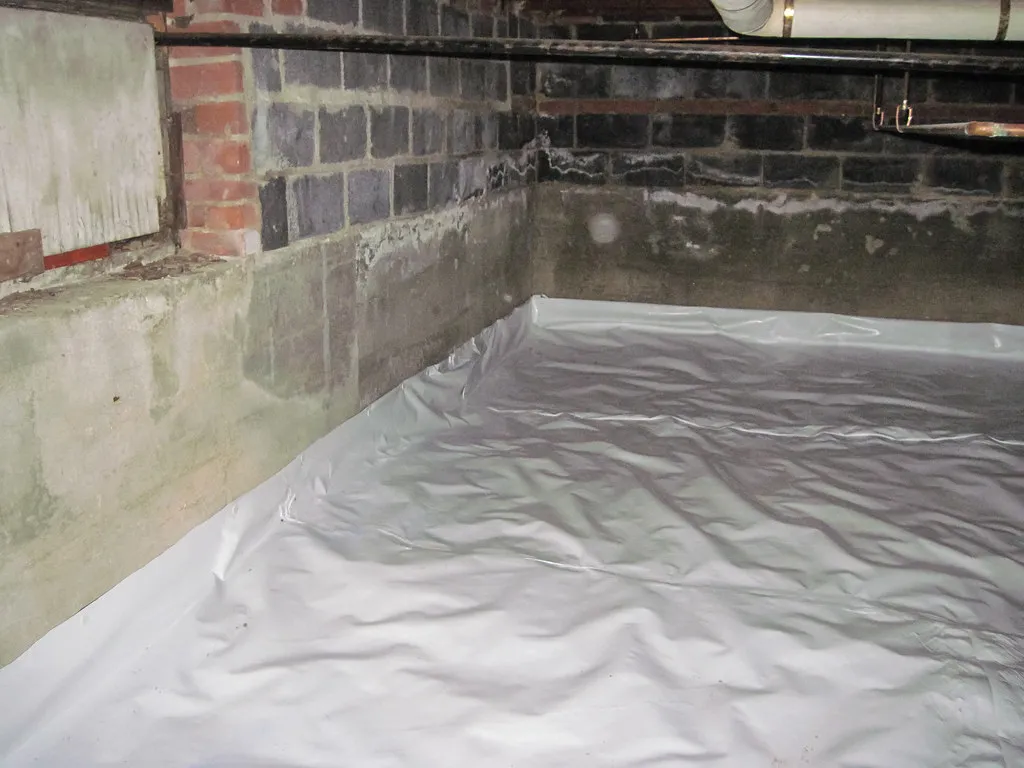
Age matters less than the vents. In the Advanced Energy field study of 12 identical houses, vented crawl spaces sat above 70% relative humidity for 98% of the summer, even with a full plastic ground cover already down. The closed crawl spaces were above 70% only 5% of the time. A sealed liner, sealed vents and a crawl space dehumidifier are what close that gap.
Does Lake Hartwell change anything?
Only if your lot slopes toward the water. Lake Hartwell runs along the city’s west side, and red clay takes water in slowly, so rain on a sloping lot tends to run along the clay toward whatever sits below it. Gutters and grading come first. If water still collects underneath, crawl space drainage and a sump pump deal with the rest.
What should a landlord budget?
Plan on roughly $4,900–$6,800 for a 1,000 sq ft crawl space with a 12 mil liner and a dehumidifier, or $6,650–$9,200 at 1,500 sq ft. Full encapsulation runs about $3.50 per square foot of crawl space floor with a $2,500 minimum, and the dehumidifier is about $1,600 installed. Those figures are a ballpark from our estimator, not a quote; the firm price follows a look under the house.
The crawl space encapsulation cost guide explains what moves the number. For an investment property, it’s also fair to ask whether encapsulation is worth it at all, and that guide gives a straight answer.
Do you work in Central too?
We do. Central is next door to Clemson, about 11 miles east of Seneca, and it rents even more: the same survey puts 73.6% of its homes in renters’ hands, with a median year built of 1988. Nearly everything on this page about rentals applies there too.
If you own a rental or a family home in Clemson or Central, ask for an estimate with the address and the rough size of the house, or give us a call. We’ll take readings under the floor and give you a firm price from there.