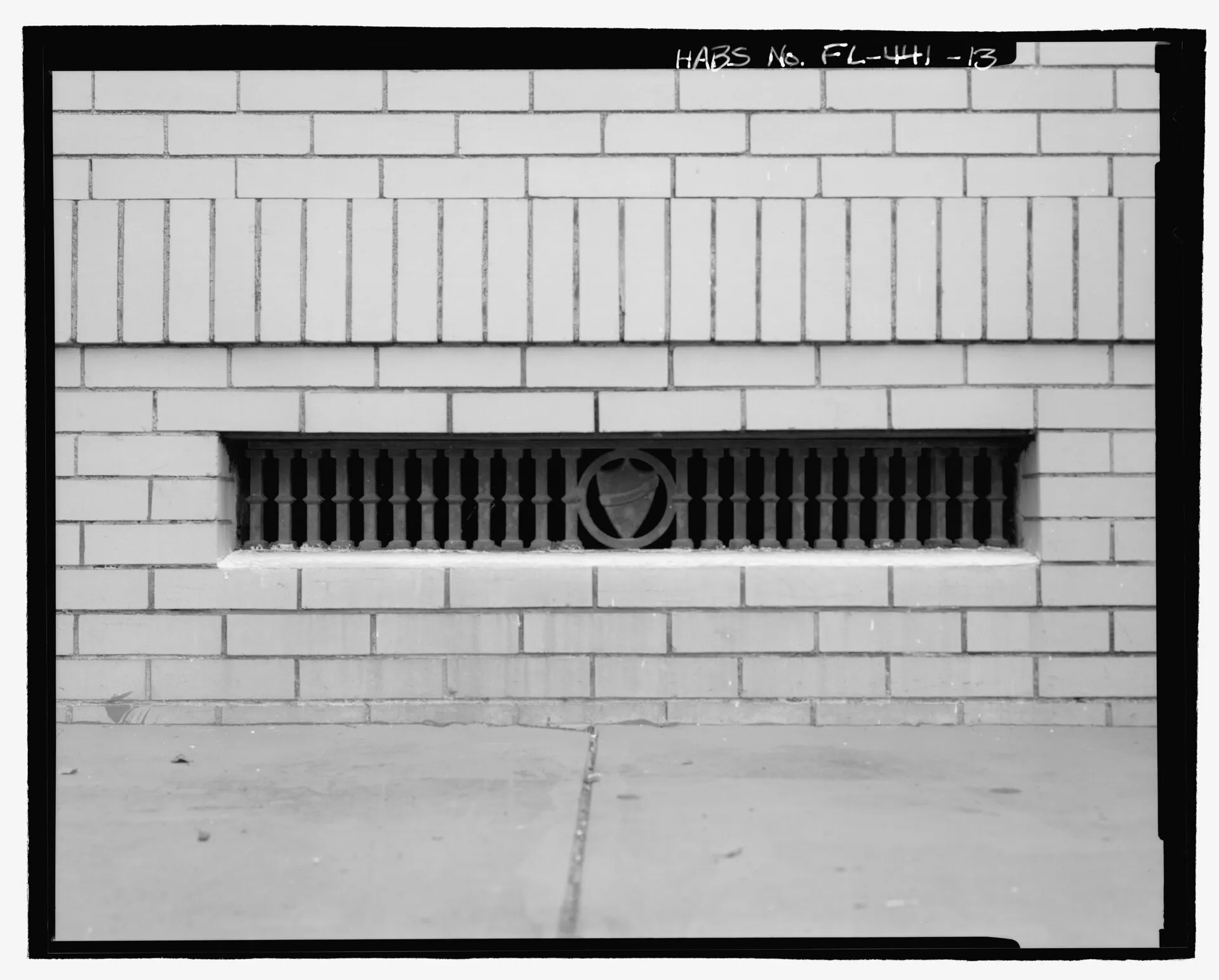
In an Upstate summer, open crawl space vents bring in more moisture than they let out, so closed is better. But closing them only works when the crawl space is also sealed with a liner and dried with a dehumidifier or another drying method. Shutting the vents over bare dirt or a loose sheet of plastic can make things worse.
Why don’t open vents dry it out?
Because our summer air is too humid. These are the mean dew points at Greenville-Spartanburg airport, computed from NOAA 1991–2020 hourly normals:
| Month | Mean dew point |
|---|---|
| June | 64.0°F |
| July | 67.6°F |
| August | 67.2°F |
Air with a dew point near 67°F that cools to 67°F reaches 100% relative humidity. In summer, crawl space soil and framing are cooler than the outdoor air (Building Science Corporation). So warm air comes in through the vent, cools against the dirt and the joists, and its relative humidity climbs. Venting brings moisture in rather than drying the space.
The old advice was that vents let a crawl space breathe. In a hot, humid summer, the air coming in is the problem.
What did the vented crawl study find?
Vented crawl spaces stayed wet nearly all summer. The Advanced Energy field study compared 12 identical houses in Princeville, North Carolina, in 2003 and 2004:
- Vented crawl spaces were above 70% relative humidity for 98% of the summer and above 80% for 86% of it. They repeatedly reached condensation conditions.
- The vented houses already had a full 6-mil ground cover. A liner alone did not keep them dry.
- Closed crawl spaces were above 70% only 5% of the time and never reached condensation conditions.
The study was in North Carolina, not the Upstate, but the physics is the same: humid air meeting a cool crawl space.
Can I just close the vents?
No. Closing vents without a sealed liner, air sealing and a drying system can make things worse. Moisture still rises from the soil, and with the vents shut it has fewer ways out. Foam vent covers from the hardware store have the same problem when they go on by themselves.
Under South Carolina’s code, section R408.3, a closed crawl space needs two things (SC Reg. R-8-1221; UpCodes):
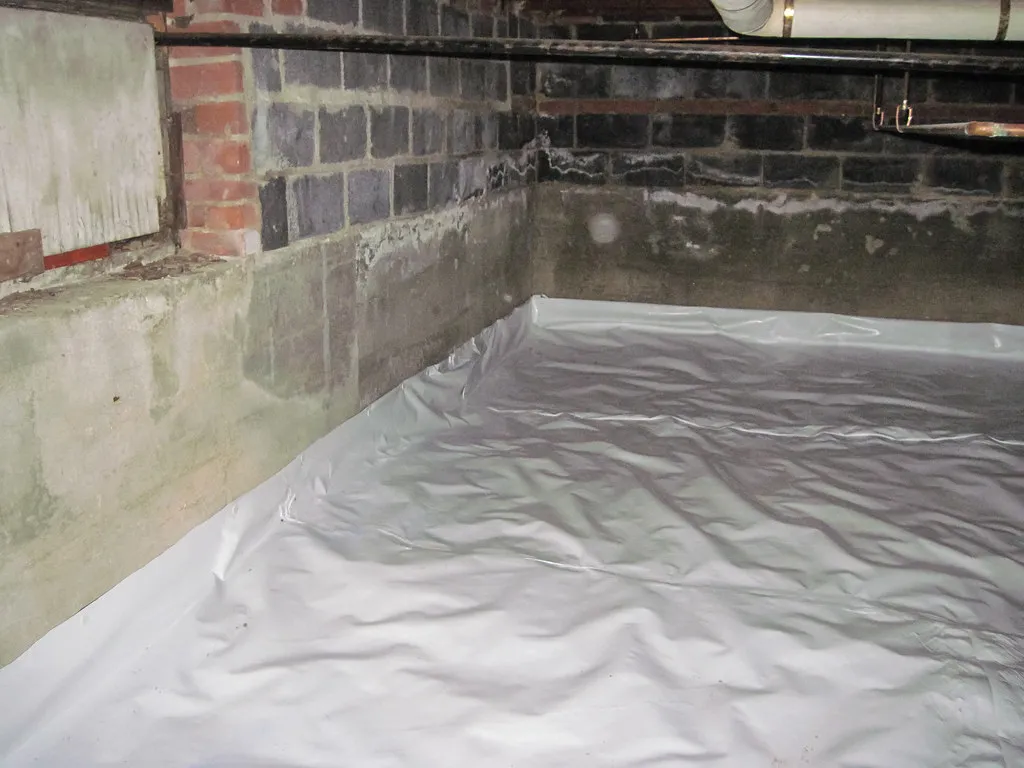
- A continuous vapor retarder over the ground, with joints lapped 6 inches and sealed or taped, and edges carried at least 6 inches up the stem wall and attached and sealed.
- One way to dry the air: continuous exhaust at 1 cfm per 50 square feet, conditioned supply air at 1 cfm per 50 square feet, a plenum in existing structures, or dehumidification sized to the manufacturer’s specifications.
The dehumidifier option has been in the IRC since the 2018 edition. That is the option we install, with a condensate drain, and our crawl space dehumidifier installation page explains it.
Is a vented crawl space against code?
No. South Carolina enforces the 2021 International Residential Code with state modifications, effective January 1, 2023, and the code still allows vented crawl spaces. Closing one is a choice, and if you make it, R408.3 says how. The 2024 code cycle has no posted start date in South Carolina yet.
Permits are a separate question. Oconee County requires permits for alterations, including electrical and mechanical work, and a new circuit for a dehumidifier is electrical work. The City of Seneca has its own building official. You may read that converting to a closed crawl space needs a permit; that was a ruling by North Carolina’s Fire Marshal and applies there, not here. Ask your county or city building office.
Should I open them for summer?
Summer is when open vents do the most harm. It is when vented crawl spaces are wettest, and opening vents in spring lets in exactly the humid air described above.
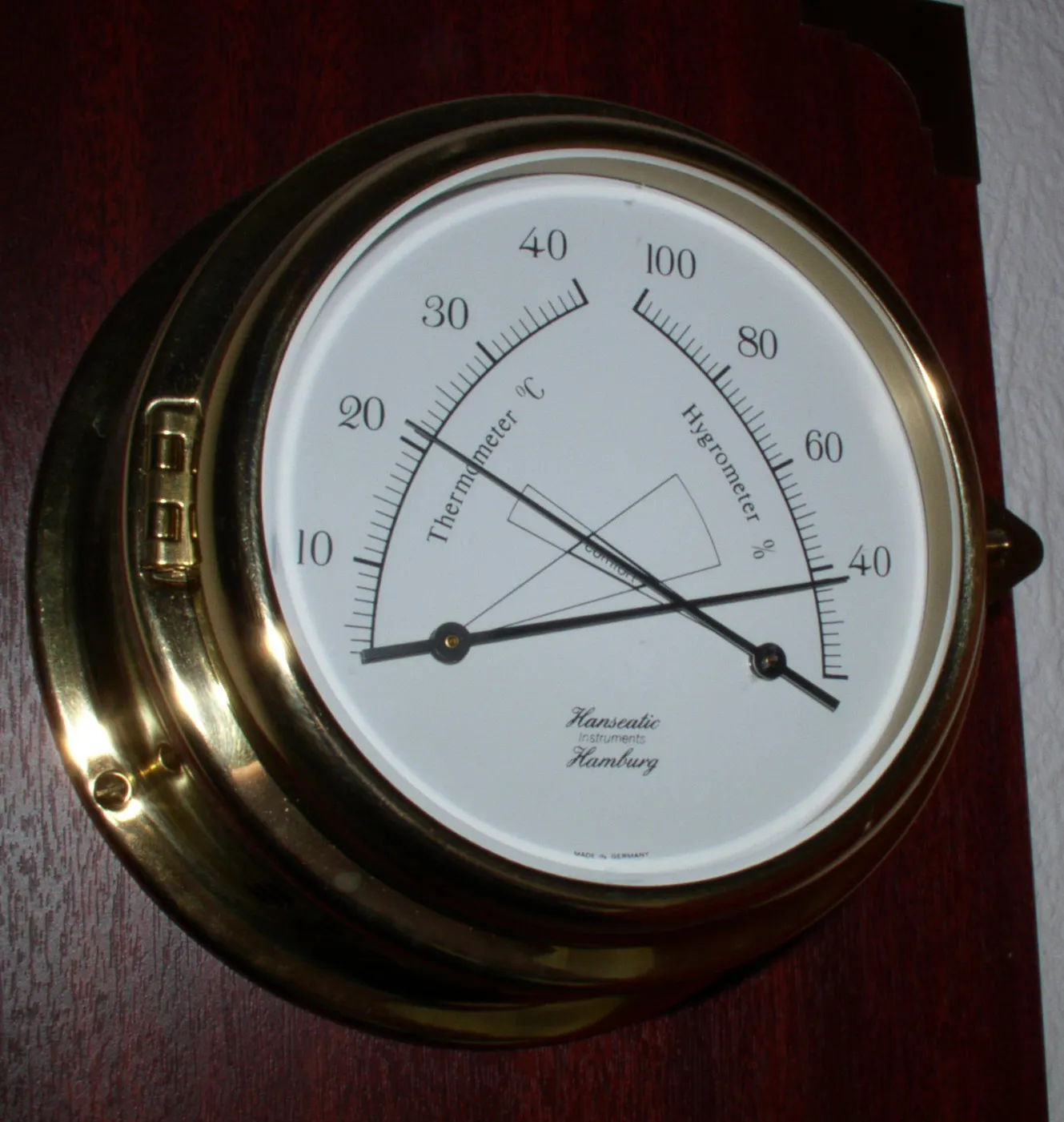
If your crawl space is vented and you are not ready to seal it, start outside. Clean the gutters, extend the downspouts and get the soil to drop about 6 inches over the first 10 feet from the house (ENERGY STAR). Then put a cheap hygrometer in the crawl space. Our guide to crawl space humidity levels explains what the readings mean.
What does sealing the vents involve?
We seal each vent and the access door as part of an encapsulation. This Old House puts vent sealing at $10–$22 per vent plus $60–$150 for the access door (This Old House). If foam board goes on the foundation walls too, South Carolina’s code requires a 6-inch termite inspection gap in heavy termite areas (SC Reg. R-8-1216).
Our insulation and vent sealing page covers the details, and our comparison of encapsulation vs. a vapor barrier shows where vent sealing fits in the whole job.
Want to know what closing up your crawl space would cost? Our estimator gives a ballpark, or call us and we will measure the humidity before we quote.