A vapor barrier is a plastic sheet over the dirt floor of a crawl space. Encapsulation is the whole system: a heavier liner sealed over the floor and up the walls, the vents and access door closed off, and a dehumidifier to dry the air. A barrier slows moisture coming up from the soil, while encapsulation also deals with the humid air that does most of the damage in an Upstate summer.
What is a vapor barrier?
It is a sheet of polyethylene laid over the soil to slow ground moisture. Six-mil polyethylene is the common minimum for a ground cover. In a vented crawl space the vents stay open, and the sheet may be loose-laid or have taped seams.
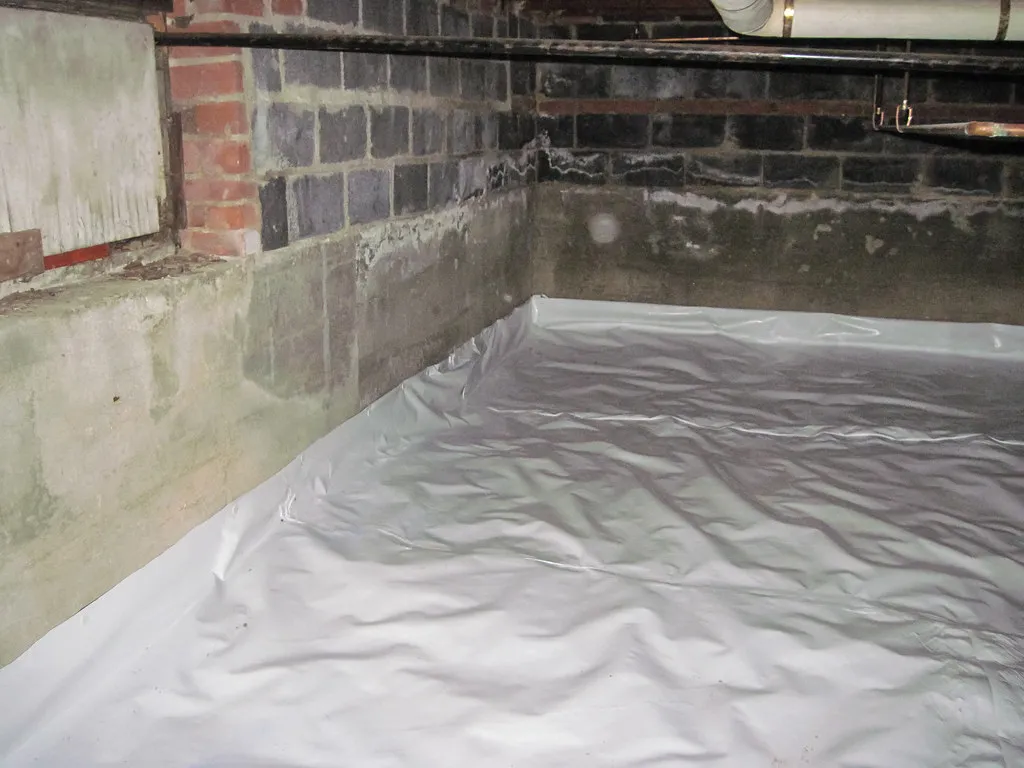
The photo at the top shows what a partial cover looks like: plastic over some of the dirt, with bare dirt around it. A cover like that leaves a lot of soil open to the air.
What does encapsulation add?
It seals the crawl space off from the ground and from outdoor air, then dries what is left. On our jobs that means:
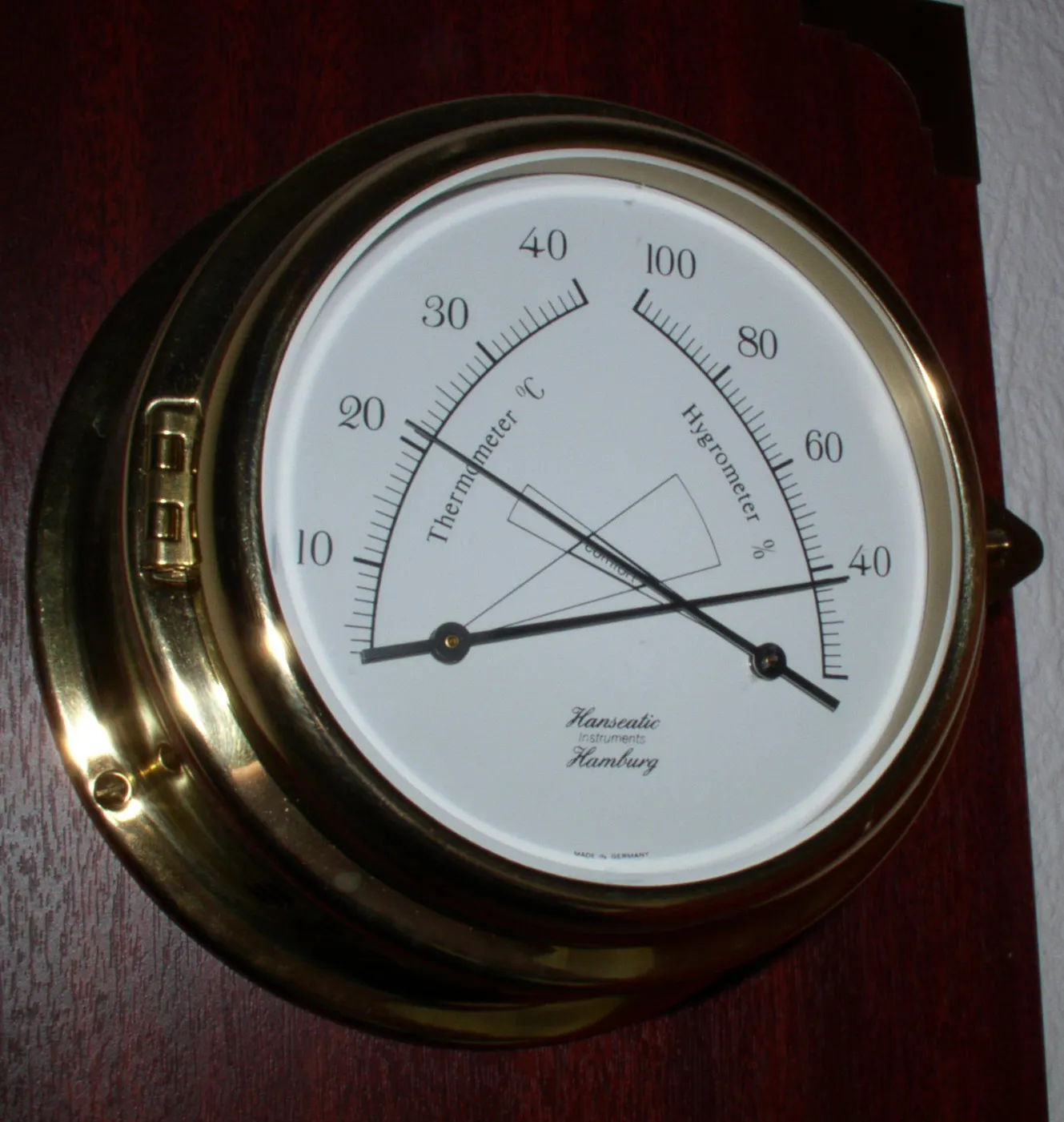
- measuring crawl space humidity and wood moisture before we quote
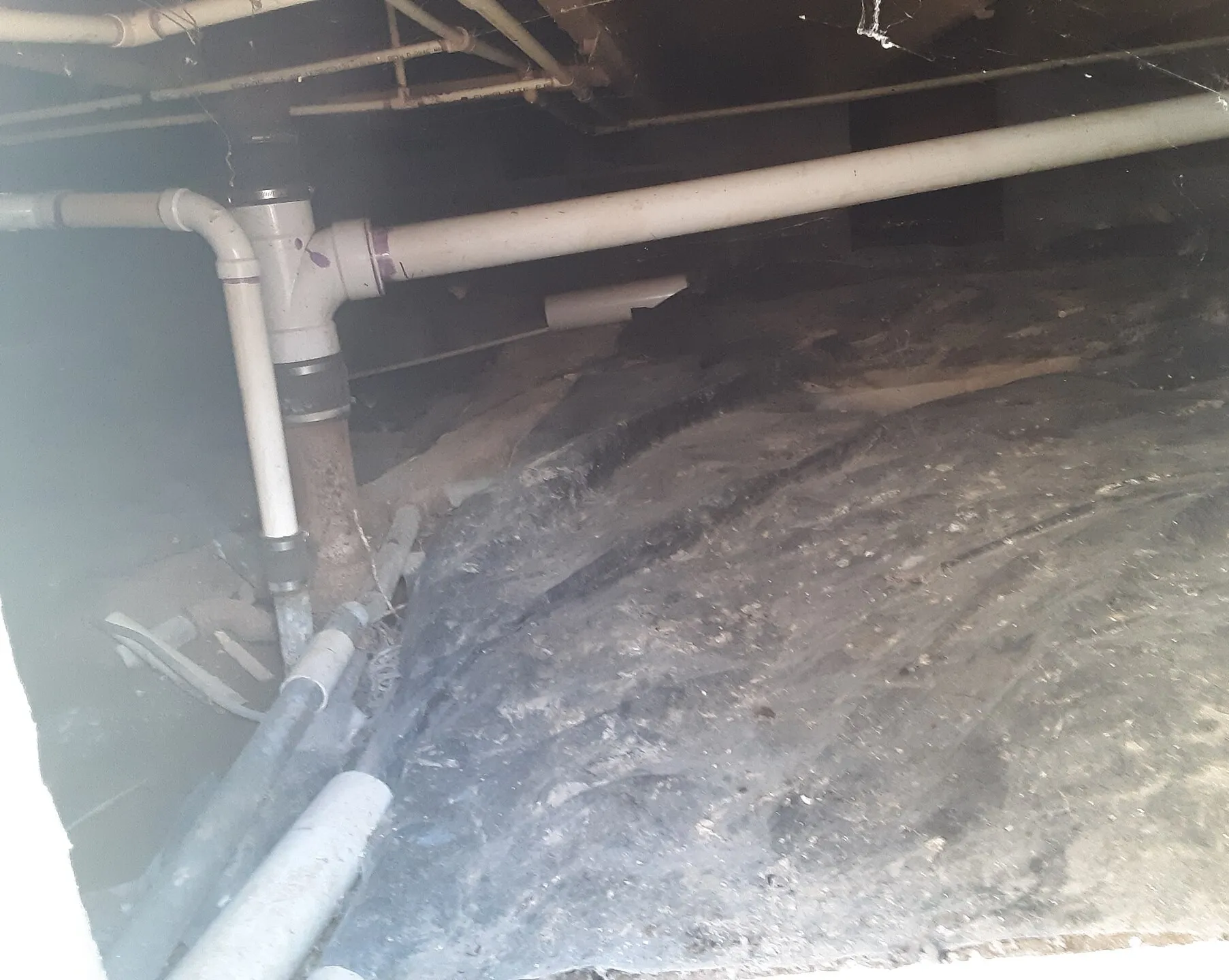
- clearing debris and pulling down wet or fallen insulation
- a 12 mil liner as standard, 20 mil as an option, with seams overlapped and taped
- running the liner up the walls and fastening it, with a termite inspection strip left at the top
- sealing the vents and the access door
- a crawl space dehumidifier with a condensate drain
- a second humidity reading after the system has run for a few weeks
South Carolina’s code, section R408.3, sets the minimum for an unvented crawl space. It calls for a continuous vapor retarder on the ground with joints lapped 6 inches and sealed or taped, edges carried at least 6 inches up the stem wall and sealed, and one way to dry the air (SC Reg. R-8-1221).
How do they compare?
The humidity figures below come from the Advanced Energy field study of 12 identical houses in Princeville, North Carolina, in 2003 and 2004.
| Vapor barrier only | Full encapsulation | |
|---|---|---|
| Ground cover | Plastic sheet over the soil | 12 mil liner as our standard, 20 mil optional |
| Seams | Overlapped, sometimes taped | Overlapped and taped |
| Foundation walls | Often left bare | Liner run up and fastened, inspection strip at the top |
| Vents and access door | Left open | Sealed |
| Drying the air | Nothing beyond outdoor air | Dehumidifier with a condensate drain |
| Summer humidity in the study | Vented houses above 70% RH for 98% of the summer | Closed houses above 70% RH only 5% of the time |
| Our ballpark, 1,000 sq ft | $2,000–$2,750 | $4,900–$6,800 |
| National price range | $1,500–$4,000 (Fixr) | Most jobs $5,000–$15,000 (HomeAdvisor) |
Does a vapor barrier alone work?
It helps against moisture from the soil, but not against humid summer air coming in through the vents. The vented houses in the Advanced Energy study already had a full 6-mil ground cover, and they still sat above 70% relative humidity for 98% of the summer and above 80% for 86% of it.
The reason is the air. At Greenville-Spartanburg airport, the mean dew point is 67.6°F in July and 67.2°F in August (NOAA). Air with a dew point near 67°F that cools to 67°F reaches 100% relative humidity, and summer crawl space soil and framing run cooler than the air outside (Building Science Corporation). Our guide on whether crawl space vents should be open or closed goes further into this.
When is a barrier enough?
When the crawl space already reads dry in summer, or as a first step you plan to build on. If summer humidity stays under 60% and the wood is dry, a good ground cover may be all you need.
If you go barrier-only now to spread the cost, ask for overlapped, taped seams and a liner thick enough to keep, so it can become the floor of an encapsulation later. Our guide to vapor barrier thickness helps with that choice. Barrier-only work with us runs about $2 a square foot with a $1,500 minimum, and our crawl space vapor barrier installation page describes the job.
Which one should I choose?
Let the readings decide. If the crawl space is wet in summer, or the wood reads at or above 20%, which a South Carolina CL-100 report flags as excessive moisture (SC Reg. 27-1085), a sheet of plastic will not solve it. Fix any standing water first, then seal and dry.
For a ballpark on your own crawl space, try our encapsulation estimator or give us a call. Either way, we measure before we quote.