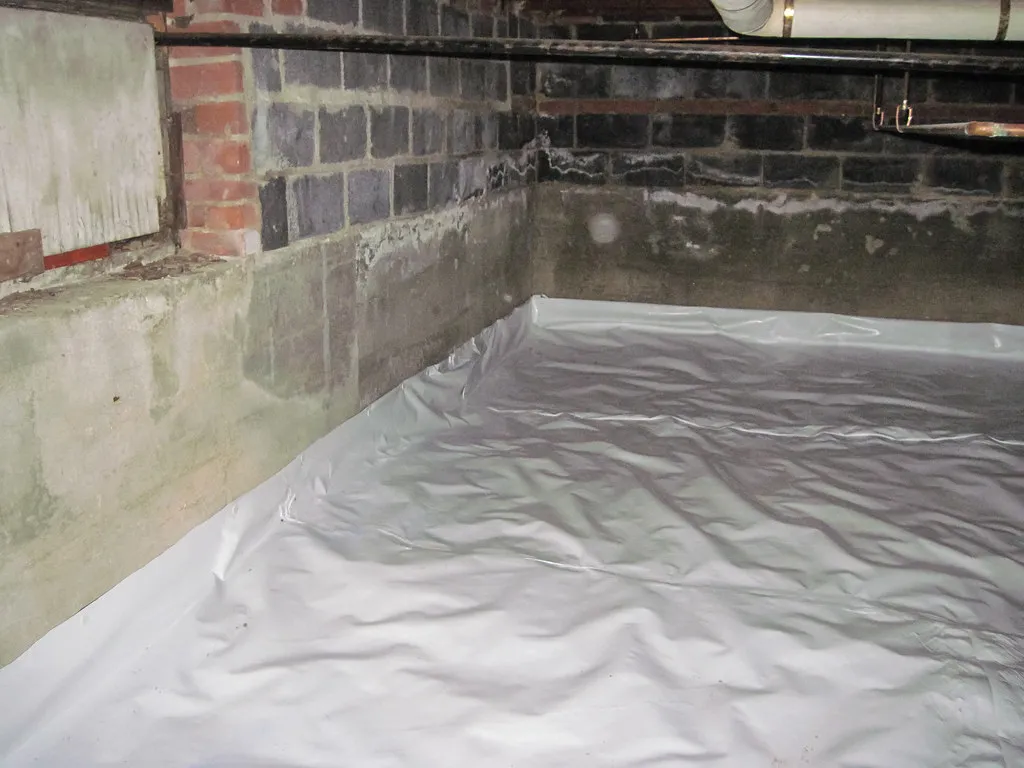
Encapsulation and termite protection can work together, as long as the liner and any foam leave the inspector something to look at. Talk to your termite company before the work starts, keep a strip at the top of the foundation wall open, and keep your termite bond in force. That matters most when you sell, because the CL-100 report records what the inspector could and could not see.
What is the CL-100?
It is the wood infestation report used in South Carolina real estate. It is governed by SC Regulation 27-1085 and issued by a licensed pest control business (Category 7A).
The report covers accessible areas, including crawl spaces, and it must disclose any areas that could not be inspected. It also records wood moisture: 20% or more is reported as excessive moisture, and 28% or more as active decay conditions.
Does sealing void a termite warranty?
The regulation has one line on this, and it is narrower than people often assume. It says the one-year termite warranty required on new construction “shall not extend to” structures with sealed or encapsulated crawl spaces or spray foam. That clause is about the new-construction warranty.
If you own an existing house with a termite bond, that clause does not answer the question. Your bond contract and your termite company do. Ask them before any liner goes down, and keep the bond in force afterward.
Why do termites matter under a liner?
Because a liner can hide them. South Carolina has native subterranean termites statewide, with Formosan termites mainly on the coast (Clemson HGIC). Subterranean termites come up from the soil, and Clemson HGIC notes they tunnel through foam board that touches the ground.
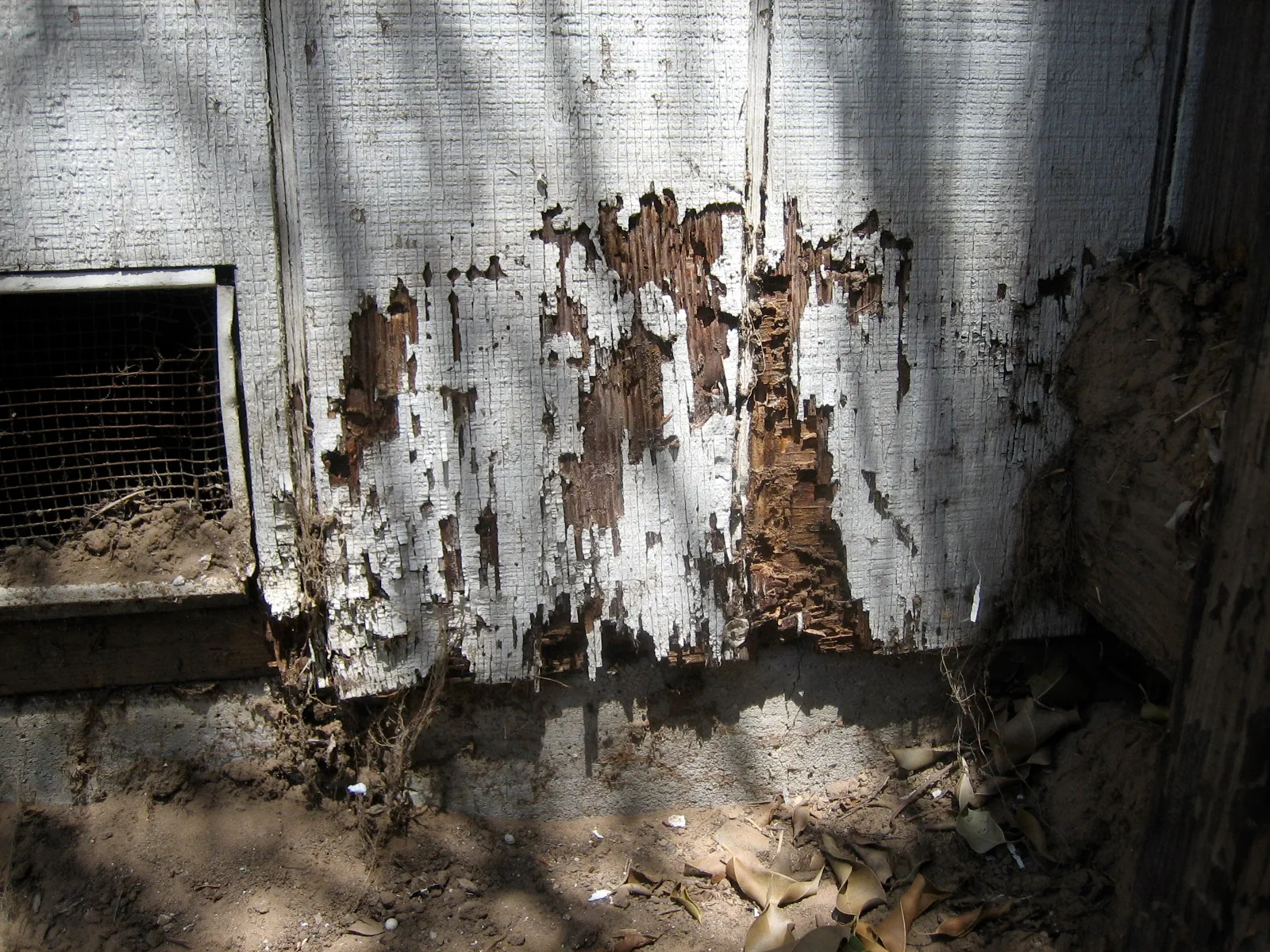
A liner or foam board over the foundation wall can cover the mud tubes an inspector looks for, and termites can work behind it unseen. The damage in the photo, at the bottom of a wall beside a foundation vent, is exactly the area an inspector needs to be able to reach.
What is an inspection strip?
It is a band at the top of the foundation wall left uncovered, so an inspector can see the masonry just below the wood. We run the liner up the walls and fasten it, and we leave a termite inspection strip at the top of the wall.
Where foam plastic is used on foundation walls in heavy termite areas, South Carolina’s code requires a 6-inch inspection gap (SC Reg. R-8-1216). Your termite company may want a particular width for the liner as well, so ask.
What are the foam board rules?
Foam on the walls needs the most care, because three separate rules touch it:
- In heavy termite areas, the code requires a 6-inch inspection gap where foam plastic is used on foundation walls.
- Under the CL-100 rule, the minimum clearance between untreated wood and soil is 8 inches, and rigid foam in ground contact is treated like untreated wood.
- Subterranean termites tunnel through foam board that touches the ground.
Wall foam is an add-on, not part of every encapsulation. With us it runs about $2.75 a square foot of wall. Get your termite company’s view before you add it, and see our insulation and vent sealing page for when it makes sense.
What should I ask my termite company?
Call them before you sign for encapsulation. Useful questions:
- Does sealing the crawl space change my bond or my treatment?
- Do you want to treat or inspect before the liner goes down?
- How wide an inspection strip do you need at the top of the wall?
- Will you still be able to reach the whole crawl space for inspections?
Share their answers with us so the liner goes in the way they need it.
What happens when I sell?
The CL-100 inspector will go into the crawl space and report what they find. Areas they could not inspect have to be disclosed, so a liner that covers every inch of the foundation wall could show up on the report as an area that was not inspected. A clear inspection strip helps avoid that.
Moisture is the other half. A crawl space that stays dry helps keep wood readings under the 20% mark the report flags as excessive moisture, and our guide to crawl space humidity levels explains how to track that. If there is old termite damage or rot in the framing, get it repaired before the liner goes in. Our crawl space repair page covers rot and sagging floors.
Keep the bond paperwork and the details of the encapsulation together, so you can hand both to a buyer.
Planning an encapsulation around a termite bond? Get a ballpark from our estimator, or call us and we will talk through the inspection strip before anything goes in.